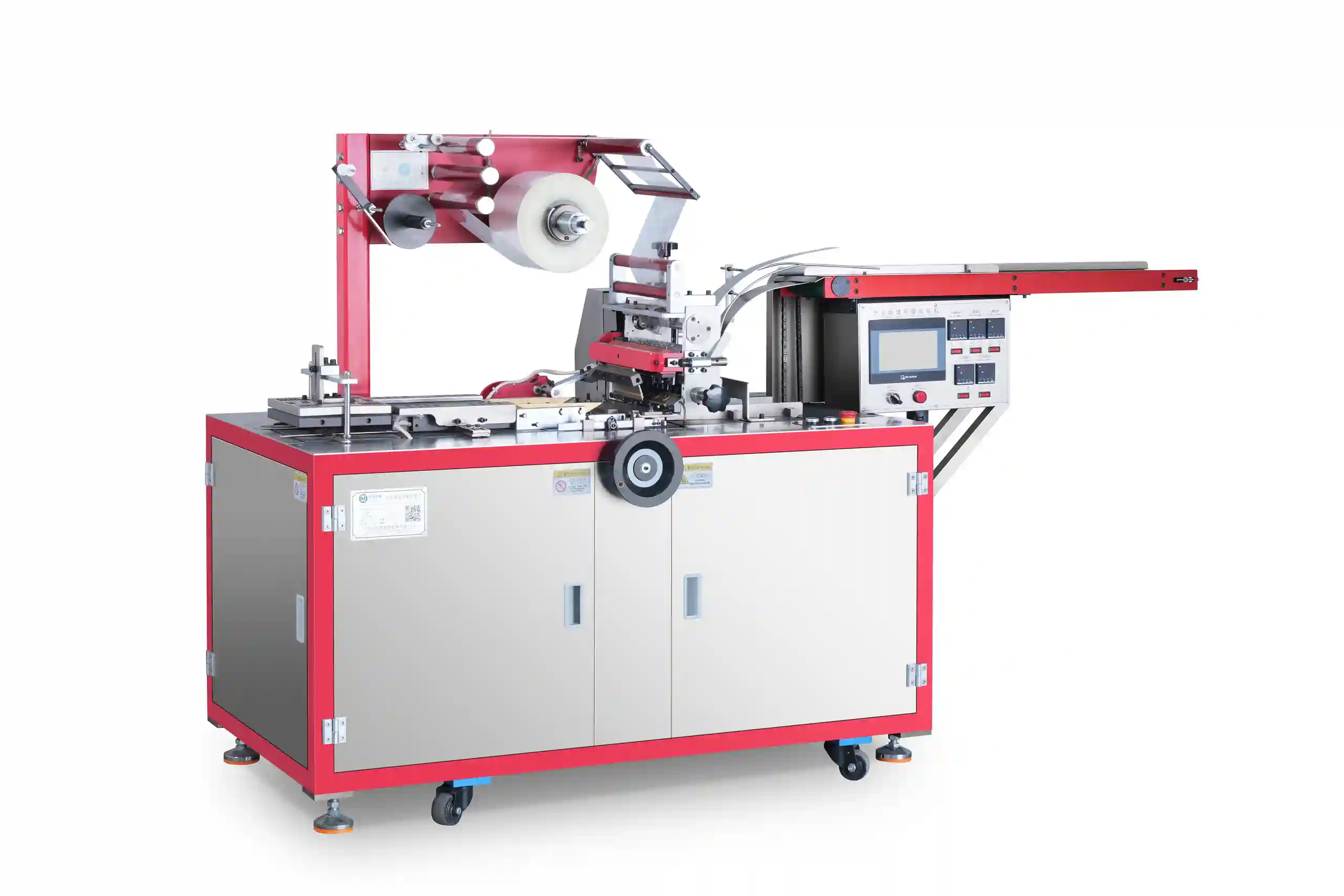
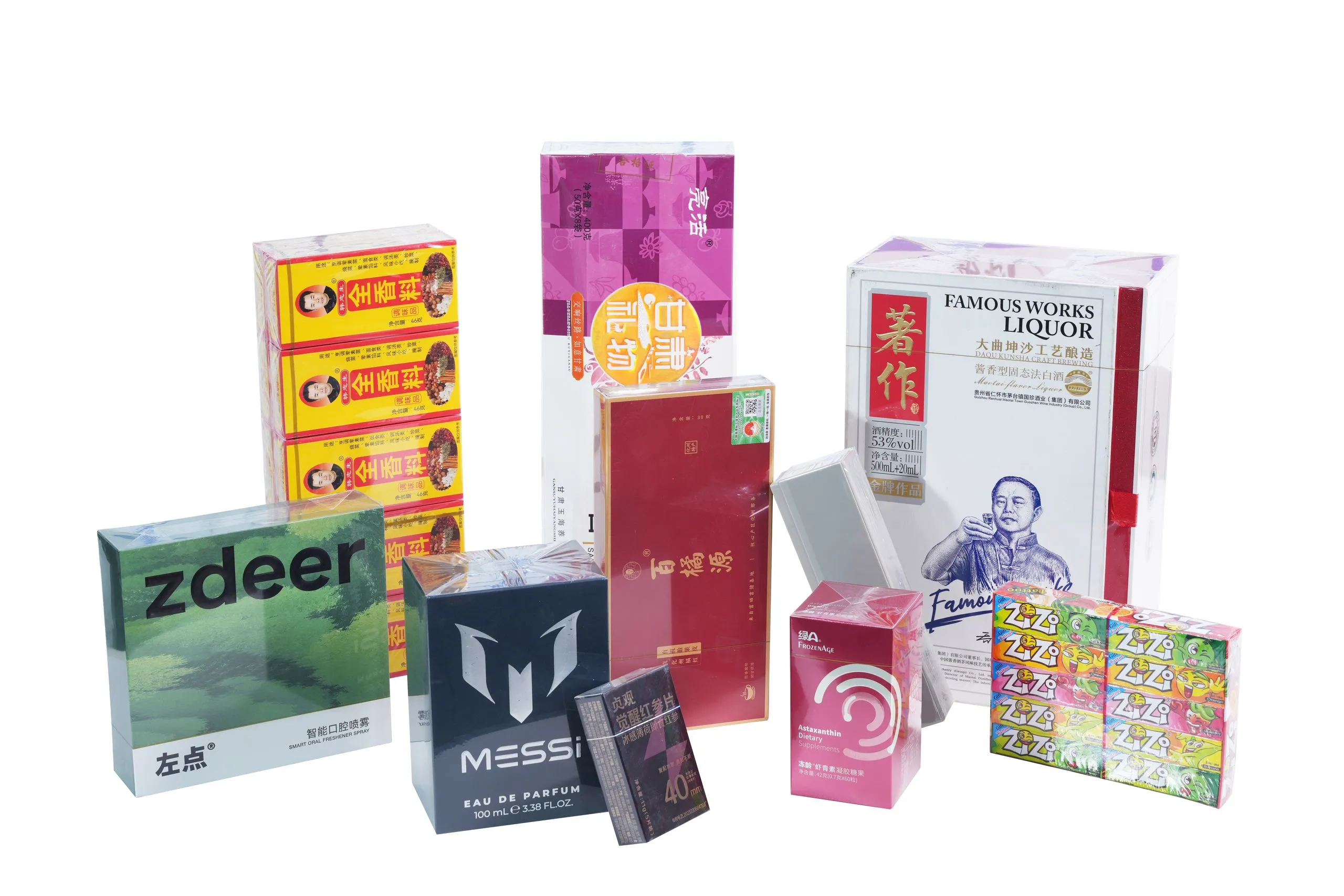
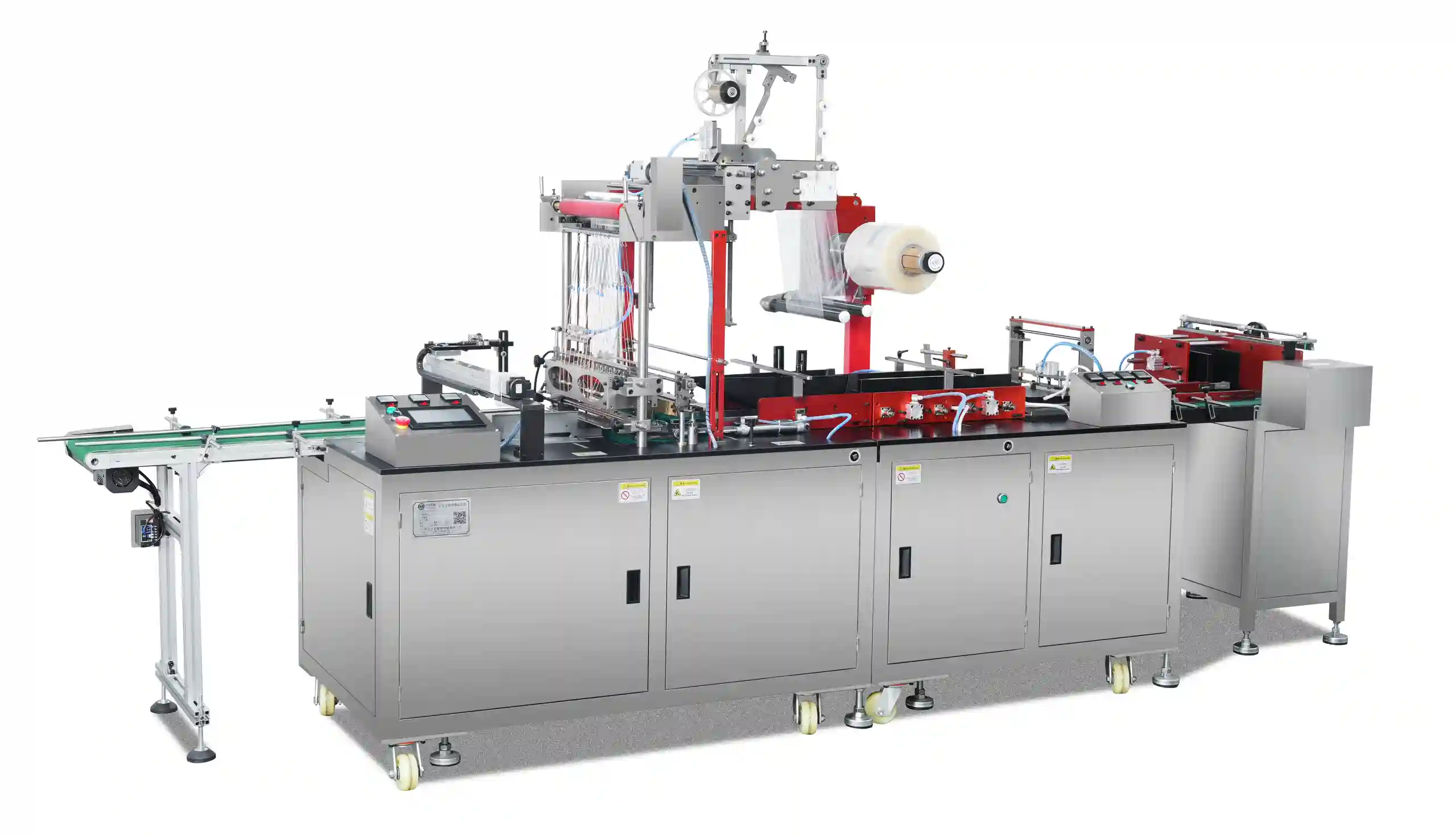
Recommend Products
We have more than 20 years experience in this field.We are not only a supplier, but also a producer, the company has obtained ISO 9001 certification, CE certification,
About HM
Guangzhou Huanmei Machinery Equipment Manufacturing Co., Ltd. is located in Guangzhou, the national urban center and international trade hub of China
Company Profile
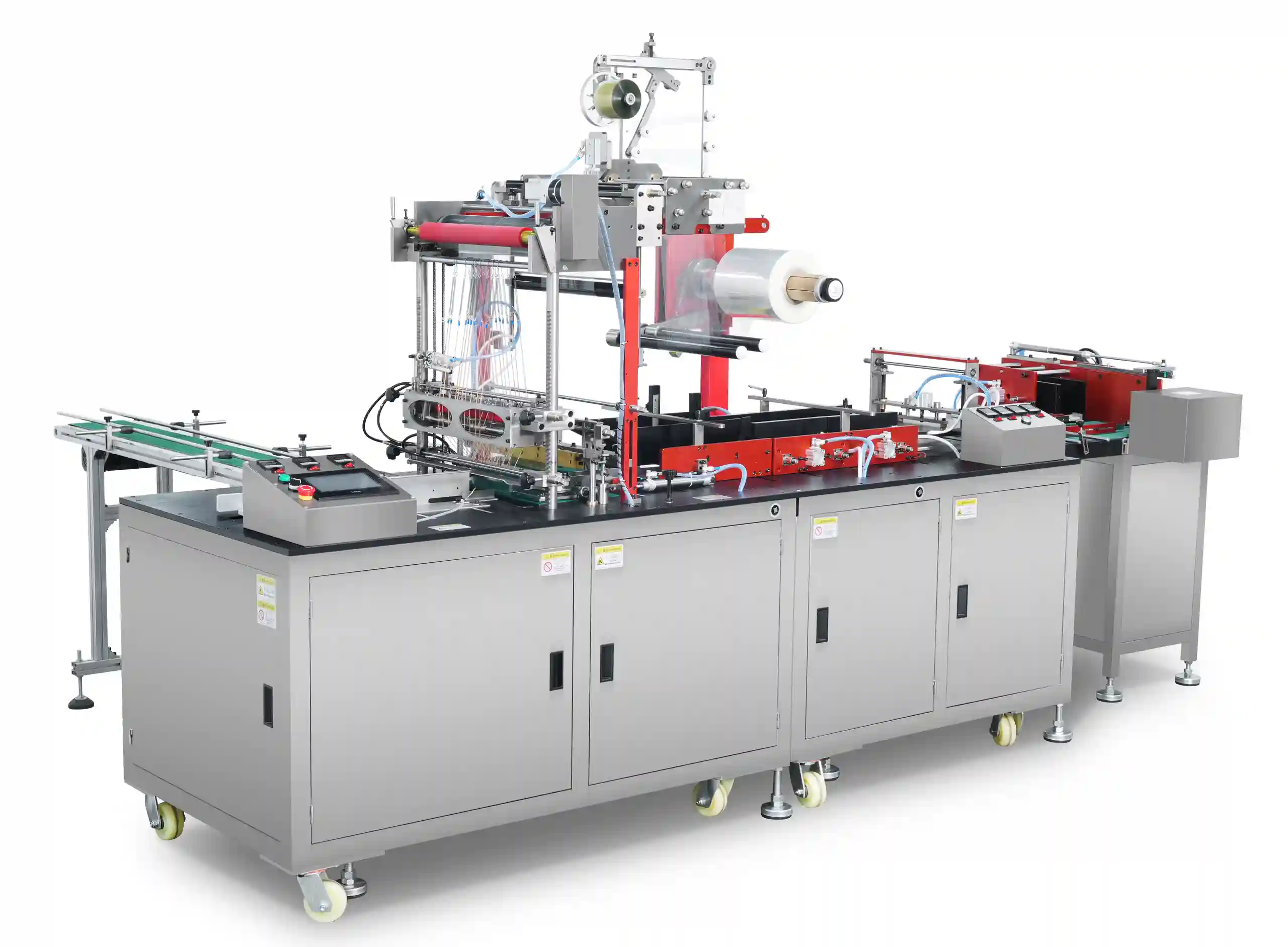
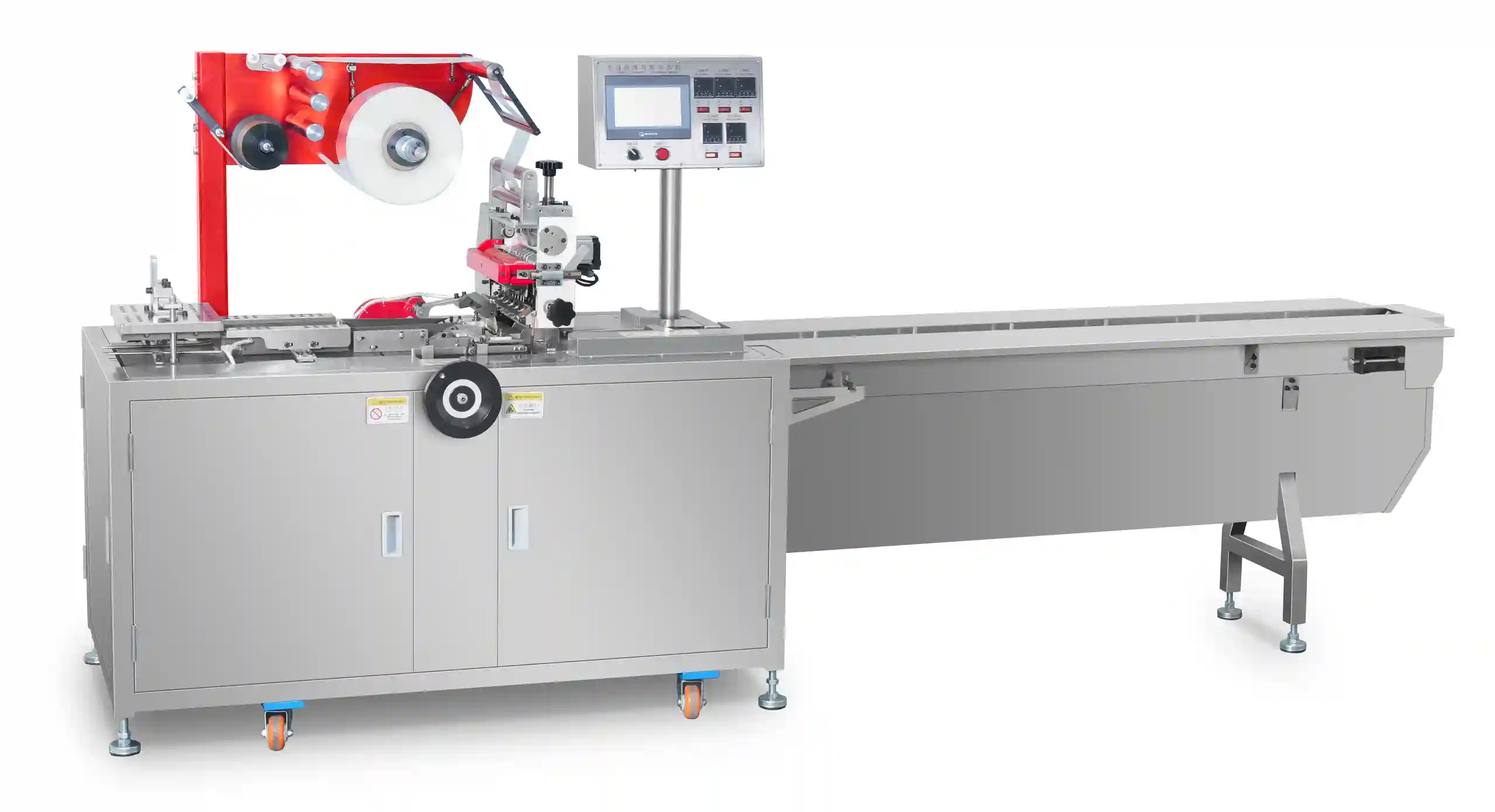
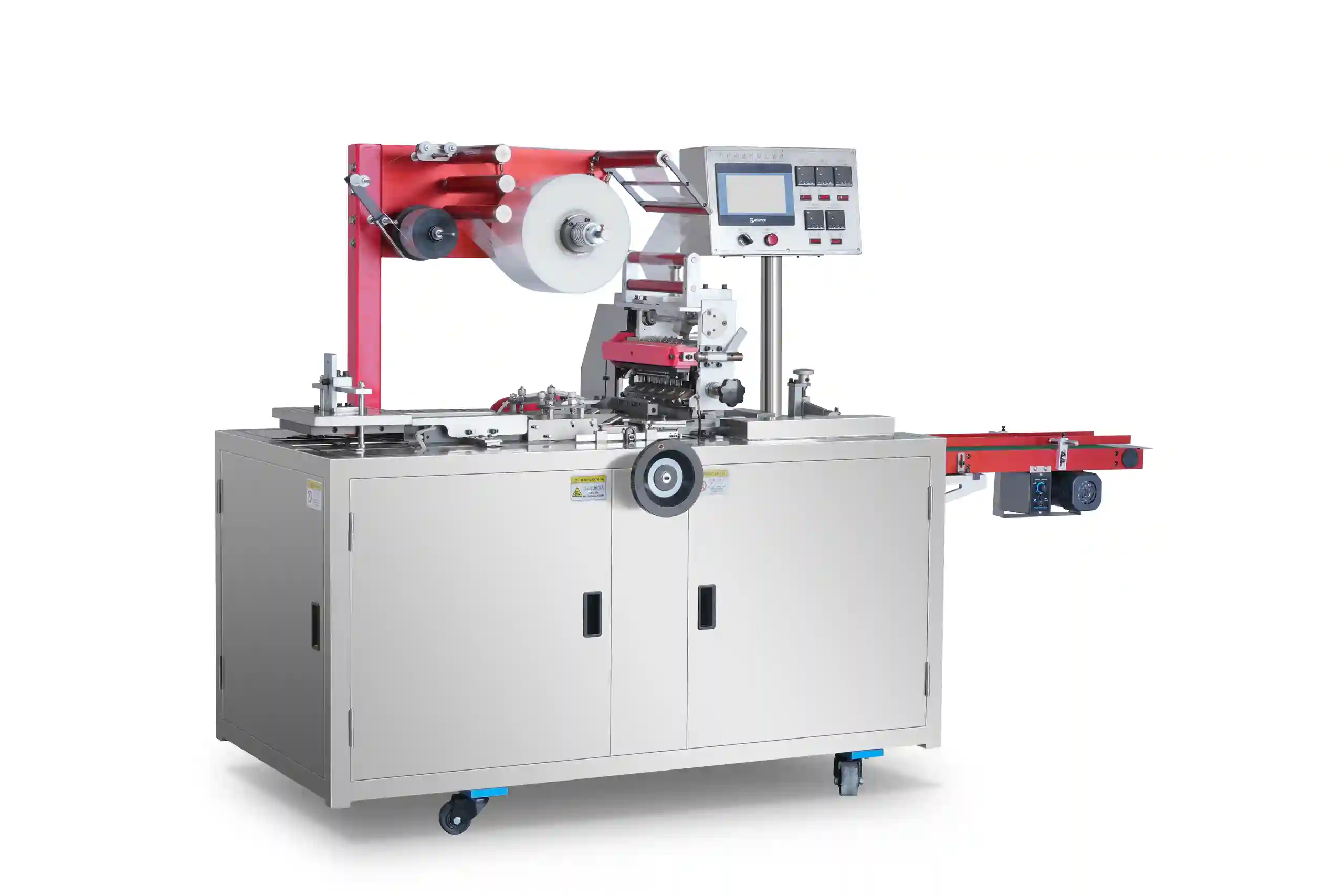
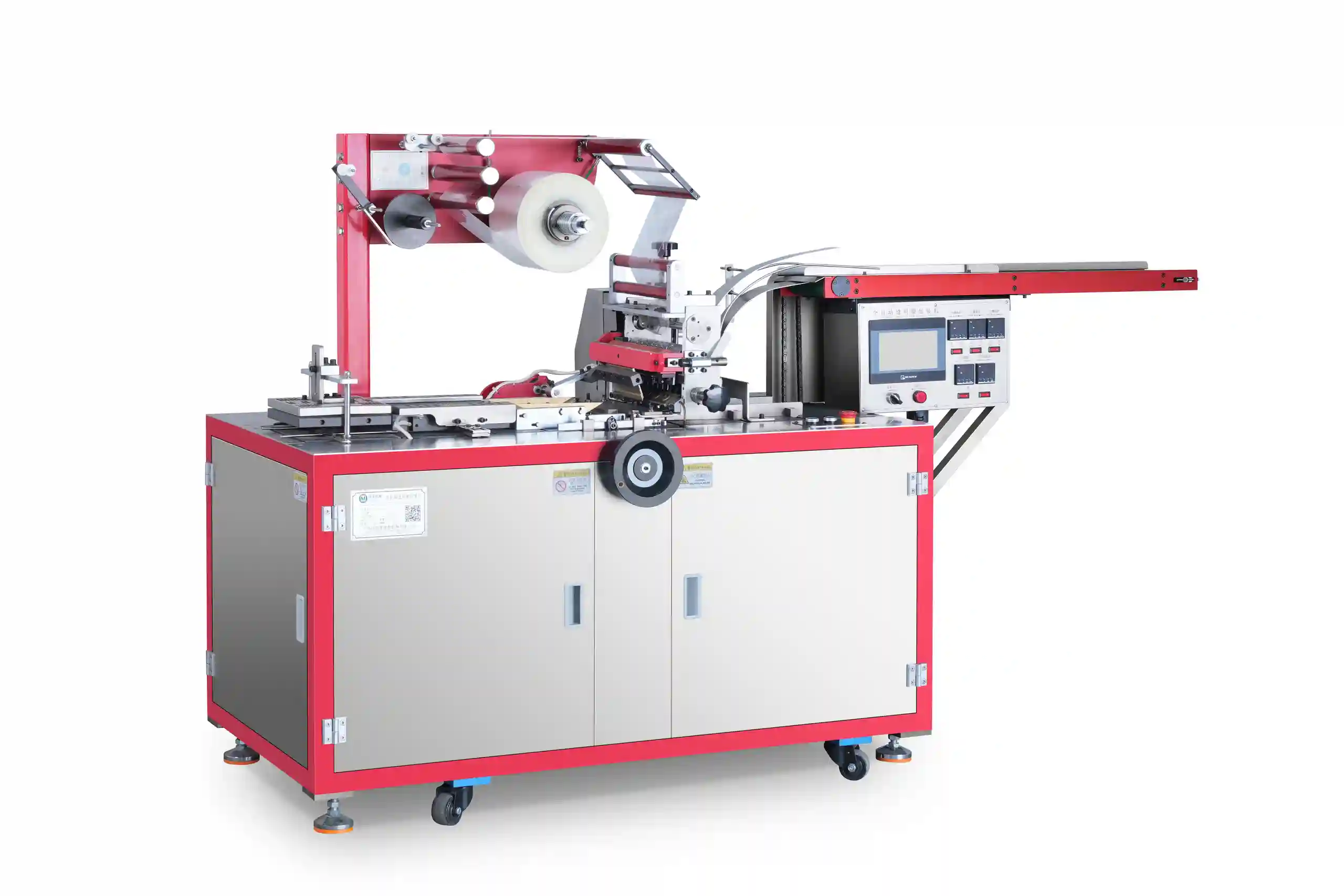
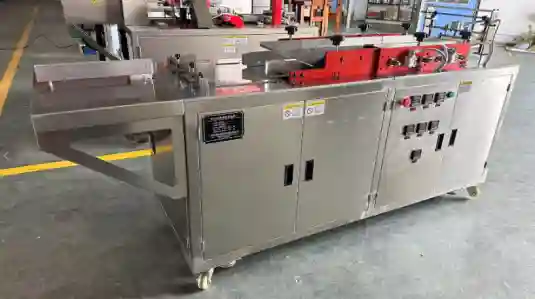
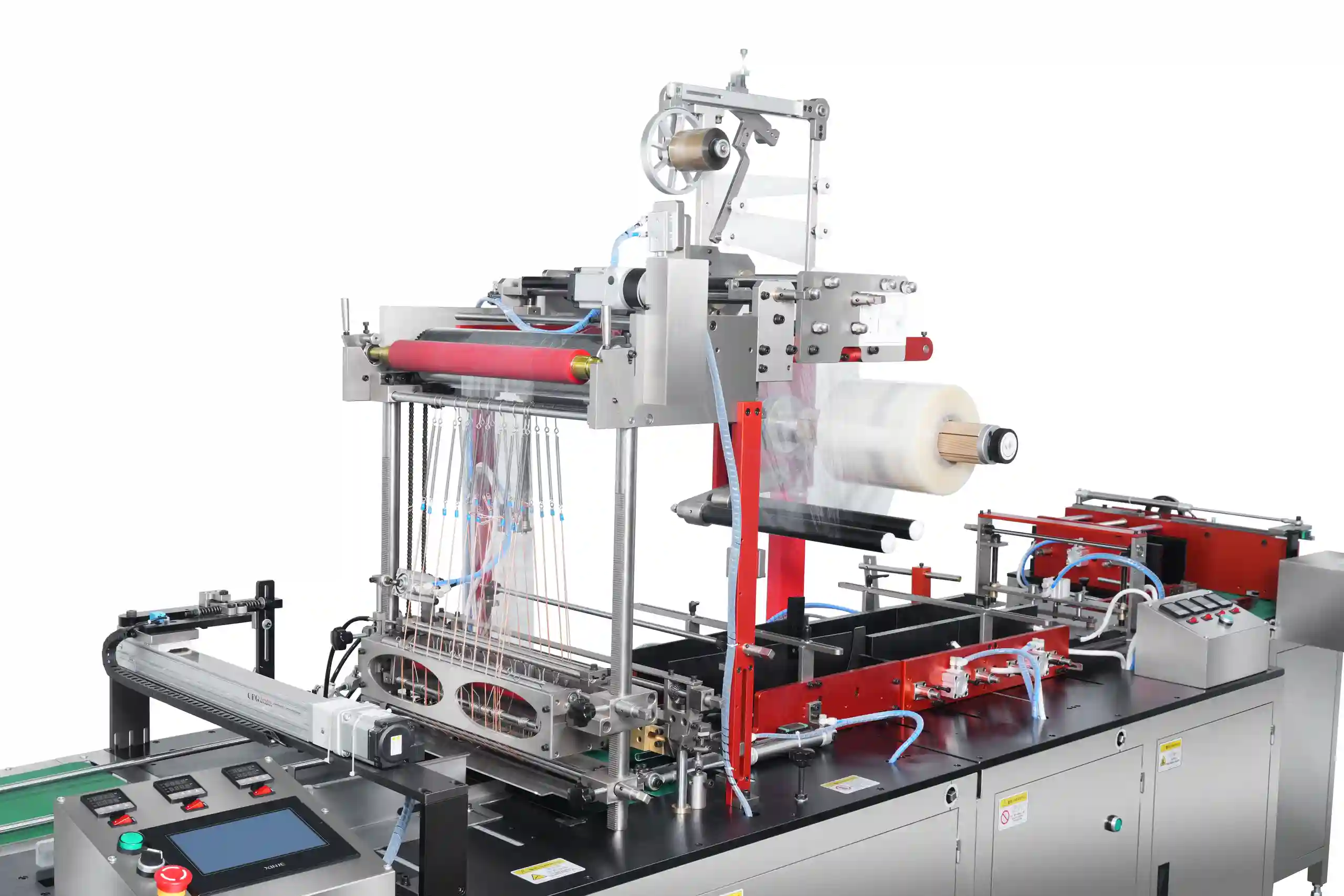
Guangzhou Huanmei Machinery Equipment Manufacturing Co., Ltd. is located in Guangzhou, the national urban center and international trade hub of China. We are a professional technology-driven company specializing in fully automatic 3D transparent film wrapping machines, integrating R&D, manufacturing, sales, and service.
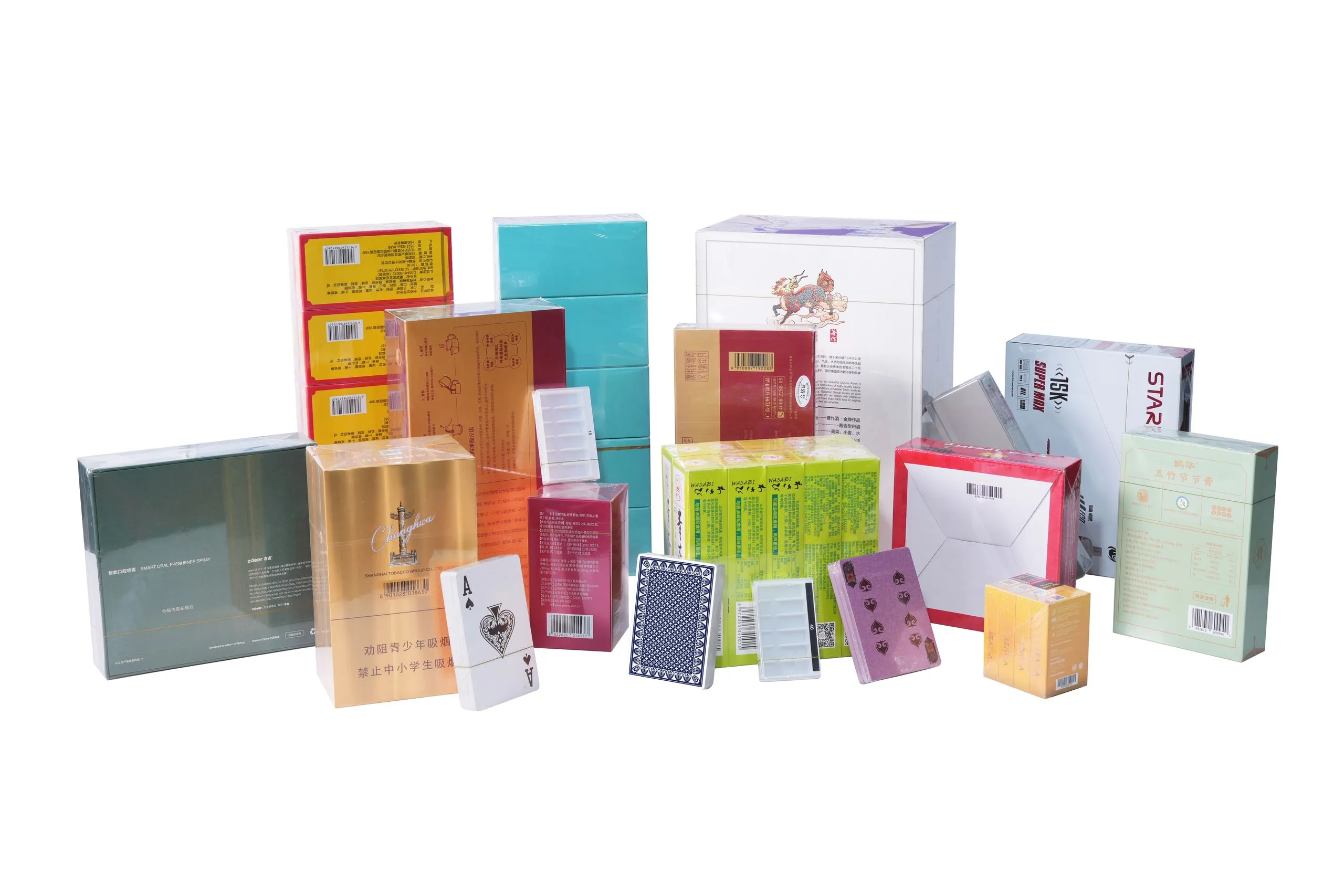
Our founder has been engaged in the manufacturing and service of packaging machinery since 2006, focusing on the professional production of 3D transparent film wrapping machines and pillow-type heat shrink packaging machines. Our products are widely used in the packaging of food, pharmaceuticals, electronics, daily necessities, cosmetics, and other industries.
Latest News
Check out our most popular services and get the best deal.
Cartoning machines play a crucial role in the electronics industry, and their application and development profoundly reflect the industry’s pursuit of automation, precision, and flexibility. I. Main Application Areas Cartoning machines are mainly used to pack electronic products, accessories, instruction manuals, warranty cards, etc., into cardboard or color boxes, achieving the final automated step in product packaging. Specific applications include: 1. Consumer Electronics: This is the most important application area. · Smartphones: Packing phones, chargers, data cables, earphones, instruction manuals, etc. · Tablets/Laptops: Main unit, power adapter, cables, documents. · Wearable Devices: Smartwatches, wristbands and their charging docks, watch straps, etc. · Headphones/Speakers: Main unit, replacement earbuds, charging case, connecting cables. · Smart Home Devices: Routers, cameras, smart speakers, etc. 2. Small Electronic Components and Accessories: · Power Supplies: Chargers, power banks. · Connectors: Data cables, adapters, power strips. • These types of products typically use “multiple items in one box” or “combination packaging” methods, placing high demands on the sorting, counting, and arrangement functions of the cartoning machine. 3. Optoelectronic Products: • LED lights, controllers, etc. II. Core Technology Requirements and Characteristics For the electronics industry, cartoning machines must meet the following specific requirements: 1. High Precision and Gentle Handling: Electronic products have delicate appearances and are easily scratched. Cartoning machines must use precision robotic arms, soft suction cups or grippers, and ensure a smooth running trajectory to avoid scratches. 2. High Flexibility and Rapid Changeover: Electronic product models are updated rapidly, and packaging styles are diverse. Modern cartoning machines must have: • Rapid Changeover Function: Driven by a servo motor, it can store multiple product parameters, enabling rapid adjustment of dimensions (box length, width, height). • Modular Design: Easy addition or removal of modules such as instruction manual insertion, anti-counterfeiting label affixing, foreign object detection, weight re-inspection, and…
Cartoning machines play a crucial role in the electronics industry, and their application and development profoundly reflect the industry’s pursuit of automation, precision, and flexibility. I. Main Application Areas Cartoning machines are mainly used to pack electronic products, accessories, instruction manuals, warranty cards, etc., into cardboard or color boxes, achieving the final automated step in product packaging. Specific applications include: 1. Consumer Electronics: This is the most important application area. · Smartphones: Packing phones, chargers, data cables, earphones, instruction manuals, etc. · Tablets/Laptops: Main unit, power adapter, cables, documents. · Wearable Devices: Smartwatches, wristbands and their charging docks, watch straps, etc. · Headphones/Speakers: Main unit, replacement earbuds, charging case, connecting cables. · Smart Home Devices: Routers, cameras, smart speakers, etc. 2. Small Electronic Components and Accessories: · Power Supplies: Chargers, power banks. · Connectors: Data cables, adapters, power strips. • These types of products typically use “multiple items in one box” or “combination packaging” methods, placing high demands on the sorting, counting, and arrangement functions of the cartoning machine. 3. Optoelectronic Products: • LED lights, controllers, etc. II. Core Technology Requirements and Characteristics For the electronics industry, cartoning machines must meet the following specific requirements: 1. High Precision and Gentle Handling: Electronic products have delicate appearances and are easily scratched. Cartoning machines must use precision robotic arms, soft suction cups or grippers, and ensure a smooth running trajectory to avoid scratches. 2. High Flexibility and Rapid Changeover: Electronic product models are updated rapidly, and packaging styles are diverse. Modern cartoning machines must have: • Rapid Changeover Function: Driven by a servo motor, it can store multiple product parameters, enabling rapid adjustment of dimensions (box length, width, height). • Modular Design: Easy addition or removal of modules such as instruction manual insertion, anti-counterfeiting label affixing, foreign object detection, weight re-inspection, and…
Cartoning machines play a crucial role in the electronics industry, and their application and development profoundly reflect the industry’s pursuit of automation, precision, and flexibility. I. Main Application Areas Cartoning machines are mainly used to pack electronic products, accessories, instruction manuals, warranty cards, etc., into cardboard or color boxes, achieving the final automated step in product packaging. Specific applications include: 1. Consumer Electronics: This is the most important application area. · Smartphones: Packing phones, chargers, data cables, earphones, instruction manuals, etc. · Tablets/Laptops: Main unit, power adapter, cables, documents. · Wearable Devices: Smartwatches, wristbands and their charging docks, watch straps, etc. · Headphones/Speakers: Main unit, replacement earbuds, charging case, connecting cables. · Smart Home Devices: Routers, cameras, smart speakers, etc. 2. Small Electronic Components and Accessories: · Power Supplies: Chargers, power banks. · Connectors: Data cables, adapters, power strips. • These types of products typically use “multiple items in one box” or “combination packaging” methods, placing high demands on the sorting, counting, and arrangement functions of the cartoning machine. 3. Optoelectronic Products: • LED lights, controllers, etc. II. Core Technology Requirements and Characteristics For the electronics industry, cartoning machines must meet the following specific requirements: 1. High Precision and Gentle Handling: Electronic products have delicate appearances and are easily scratched. Cartoning machines must use precision robotic arms, soft suction cups or grippers, and ensure a smooth running trajectory to avoid scratches. 2. High Flexibility and Rapid Changeover: Electronic product models are updated rapidly, and packaging styles are diverse. Modern cartoning machines must have: • Rapid Changeover Function: Driven by a servo motor, it can store multiple product parameters, enabling rapid adjustment of dimensions (box length, width, height). • Modular Design: Easy addition or removal of modules such as instruction manual insertion, anti-counterfeiting label affixing, foreign object detection, weight re-inspection, and…
Cartoning machines play a crucial role in the electronics industry, and their application and development profoundly reflect the industry’s pursuit of automation, precision, and flexibility. I. Main Application Areas Cartoning machines are mainly used to pack electronic products, accessories, instruction manuals, warranty cards, etc., into cardboard or color boxes, achieving the final automated step in product packaging. Specific applications include: 1. Consumer Electronics: This is the most important application area. · Smartphones: Packing phones, chargers, data cables, earphones, instruction manuals, etc. · Tablets/Laptops: Main unit, power adapter, cables, documents. · Wearable Devices: Smartwatches, wristbands and their charging docks, watch straps, etc. · Headphones/Speakers: Main unit, replacement earbuds, charging case, connecting cables. · Smart Home Devices: Routers, cameras, smart speakers, etc. 2. Small Electronic Components and Accessories: · Power Supplies: Chargers, power banks. · Connectors: Data cables, adapters, power strips. • These types of products typically use “multiple items in one box” or “combination packaging” methods, placing high demands on the sorting, counting, and arrangement functions of the cartoning machine. 3. Optoelectronic Products: • LED lights, controllers, etc. II. Core Technology Requirements and Characteristics For the electronics industry, cartoning machines must meet the following specific requirements: 1. High Precision and Gentle Handling: Electronic products have delicate appearances and are easily scratched. Cartoning machines must use precision robotic arms, soft suction cups or grippers, and ensure a smooth running trajectory to avoid scratches. 2. High Flexibility and Rapid Changeover: Electronic product models are updated rapidly, and packaging styles are diverse. Modern cartoning machines must have: • Rapid Changeover Function: Driven by a servo motor, it can store multiple product parameters, enabling rapid adjustment of dimensions (box length, width, height). • Modular Design: Easy addition or removal of modules such as instruction manual insertion, anti-counterfeiting label affixing, foreign object detection, weight re-inspection, and…
Cartoning machines play a crucial role in the electronics industry, and their application and development profoundly reflect the industry’s pursuit of automation, precision, and flexibility. I. Main Application Areas Cartoning machines are mainly used to pack electronic products, accessories, instruction manuals, warranty cards, etc., into cardboard or color boxes, achieving the final automated step in product packaging. Specific applications include: 1. Consumer Electronics: This is the most important application area. · Smartphones: Packing phones, chargers, data cables, earphones, instruction manuals, etc. · Tablets/Laptops: Main unit, power adapter, cables, documents. · Wearable Devices: Smartwatches, wristbands and their charging docks, watch straps, etc. · Headphones/Speakers: Main unit, replacement earbuds, charging case, connecting cables. · Smart Home Devices: Routers, cameras, smart speakers, etc. 2. Small Electronic Components and Accessories: · Power Supplies: Chargers, power banks. · Connectors: Data cables, adapters, power strips. • These types of products typically use “multiple items in one box” or “combination packaging” methods, placing high demands on the sorting, counting, and arrangement functions of the cartoning machine. 3. Optoelectronic Products: • LED lights, controllers, etc. II. Core Technology Requirements and Characteristics For the electronics industry, cartoning machines must meet the following specific requirements: 1. High Precision and Gentle Handling: Electronic products have delicate appearances and are easily scratched. Cartoning machines must use precision robotic arms, soft suction cups or grippers, and ensure a smooth running trajectory to avoid scratches. 2. High Flexibility and Rapid Changeover: Electronic product models are updated rapidly, and packaging styles are diverse. Modern cartoning machines must have: • Rapid Changeover Function: Driven by a servo motor, it can store multiple product parameters, enabling rapid adjustment of dimensions (box length, width, height). • Modular Design: Easy addition or removal of modules such as instruction manual insertion, anti-counterfeiting label affixing, foreign object detection, weight re-inspection, and…
Cartoning machines play a crucial role in the electronics industry, and their application and development profoundly reflect the industry’s pursuit of automation, precision, and flexibility. I. Main Application Areas Cartoning machines are mainly used to pack electronic products, accessories, instruction manuals, warranty cards, etc., into cardboard or color boxes, achieving the final automated step in product packaging. Specific applications include: 1. Consumer Electronics: This is the most important application area. · Smartphones: Packing phones, chargers, data cables, earphones, instruction manuals, etc. · Tablets/Laptops: Main unit, power adapter, cables, documents. · Wearable Devices: Smartwatches, wristbands and their charging docks, watch straps, etc. · Headphones/Speakers: Main unit, replacement earbuds, charging case, connecting cables. · Smart Home Devices: Routers, cameras, smart speakers, etc. 2. Small Electronic Components and Accessories: · Power Supplies: Chargers, power banks. · Connectors: Data cables, adapters, power strips. • These types of products typically use “multiple items in one box” or “combination packaging” methods, placing high demands on the sorting, counting, and arrangement functions of the cartoning machine. 3. Optoelectronic Products: • LED lights, controllers, etc. II. Core Technology Requirements and Characteristics For the electronics industry, cartoning machines must meet the following specific requirements: 1. High Precision and Gentle Handling: Electronic products have delicate appearances and are easily scratched. Cartoning machines must use precision robotic arms, soft suction cups or grippers, and ensure a smooth running trajectory to avoid scratches. 2. High Flexibility and Rapid Changeover: Electronic product models are updated rapidly, and packaging styles are diverse. Modern cartoning machines must have: • Rapid Changeover Function: Driven by a servo motor, it can store multiple product parameters, enabling rapid adjustment of dimensions (box length, width, height). • Modular Design: Easy addition or removal of modules such as instruction manual insertion, anti-counterfeiting label affixing, foreign object detection, weight re-inspection, and…